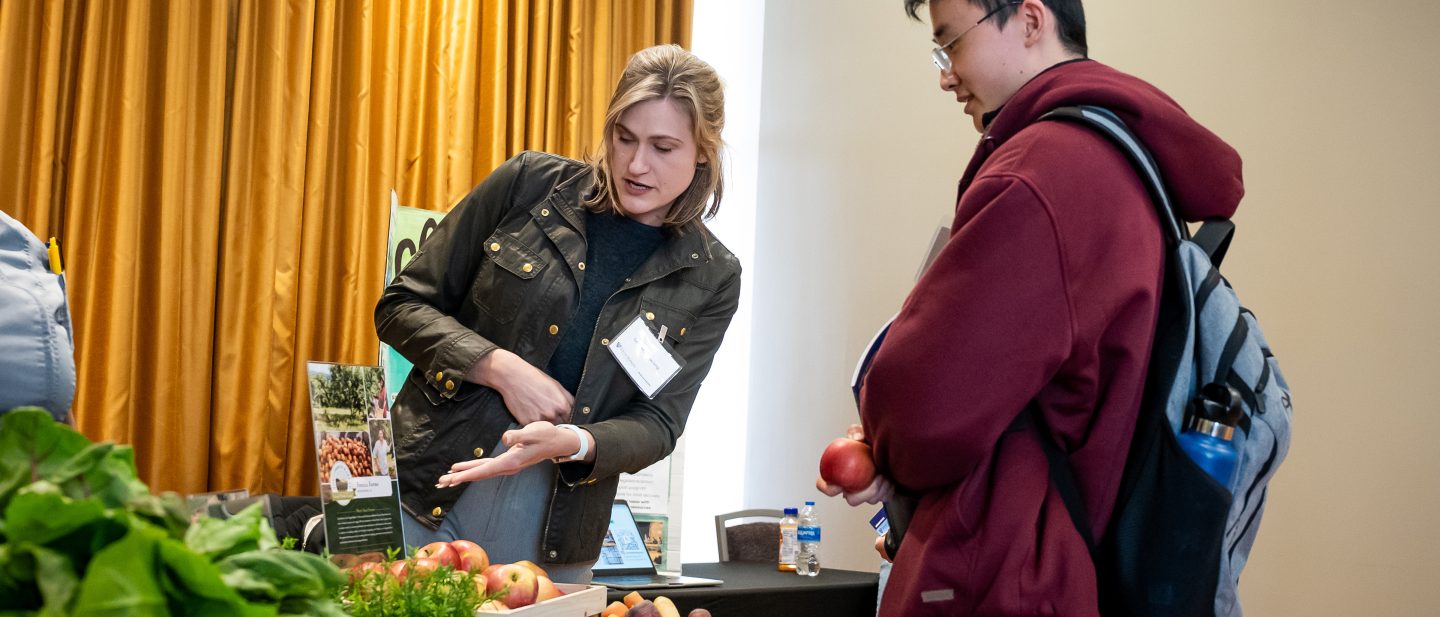
Johns Hopkins University’s dining locations prioritize supporting sustainable food systems, local sourcing, community partnership, food waste reduction, and resource-efficient practices. Hopkins Dining, in partnership with food distributor The Common Market, focuses on purchasing from local and sustainable producers — here we highlight some of those partners.
Alderfer Eggs: Humane, Organic, and Local Egg Production
Alderfer Eggs is a fifth‑generation, family‑owned farm based in southeastern Pennsylvania that has built its operation around responsible land stewardship, animal welfare, and transparency. Working with a network of small partner farms across Pennsylvania, Alderfer Eggs prioritizes sustainable farming methods that balance environmental care with high quality products.
 Sustainability is key at Alderfer Eggs. Their cage‑free and organic hens are fed a 100% vegetarian diet. The flocks receive certified organic feed produced without GMOs, synthetic pesticides, or herbicides. They are also Certified Humane, ensuring hens have space to roam, roost, and nest. These practices support healthier animals while reducing reliance on antibiotics, which is often associated with intensive confinement systems.
Alderfer Eggs recognizes the connection between farming techniques, animal health, and the long-term vitality of the land. Their commitments reflect a broader focus on soil health, responsible feed sourcing, and reduced chemical inputs across their farms.
Hopkins Dining proudly serves these in all residential dining locations and offers them for purchase at Charles Street Market, supporting a regional producer whose values align with our sustainability goals.
Kreider Farms: Local Dairy with a Deep Commitment to Sustainability
Kreider Farms, Hopkins Dining’s main dairy provider located in Lancaster County, Pennsylvania, is known for its strong commitment to environmental stewardship and regenerative farming. Their approach centers on protecting natural resources, reducing waste, and producing high-quality dairy and egg products through innovative, sustainable methods.
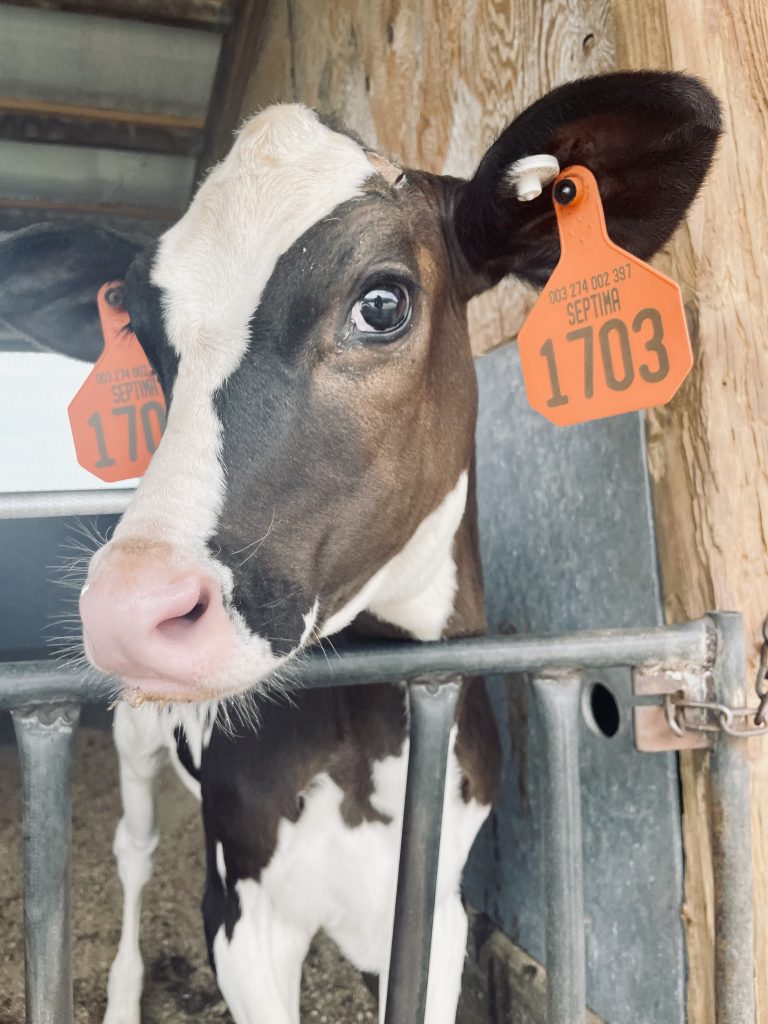 A hallmark of Kreider Farms’ sustainability work is its comprehensive waste-recycling system. Both cow and chicken manure are converted into nutrient-rich, bio-available fertilizer that supports crop growth while reducing runoff into the Chesapeake Bay watershed. Their advanced manure-drying systems minimize greenhouse gas emissions, and recycled dairy solids are transformed into comfortable bedding for their cows, a unique practice among farms. These regenerative efforts enrich topsoil, reduce erosion through no-till farming, and help conserve water resources across their 3,000+ acres.
Hopkins Dining proudly serves Kreider Farms products at all residential dining locations and sells their milk at Charles Street Market. “We strive to bring students closer to a regional producer whose values strongly align with our university’s sustainability goals,” say Graham Browning, Sustainability Manager for Hopkins Dining. By choosing Kreider Farms, our campus supports a local agricultural partner dedicated to sustainable farming, land conservation, and nutrient-cycling practices that preserve the health of ecosystems and the communities they serve.
 Weaver’s Orchard: Orchard Products with Local Flavor and Farm Fresh Quality
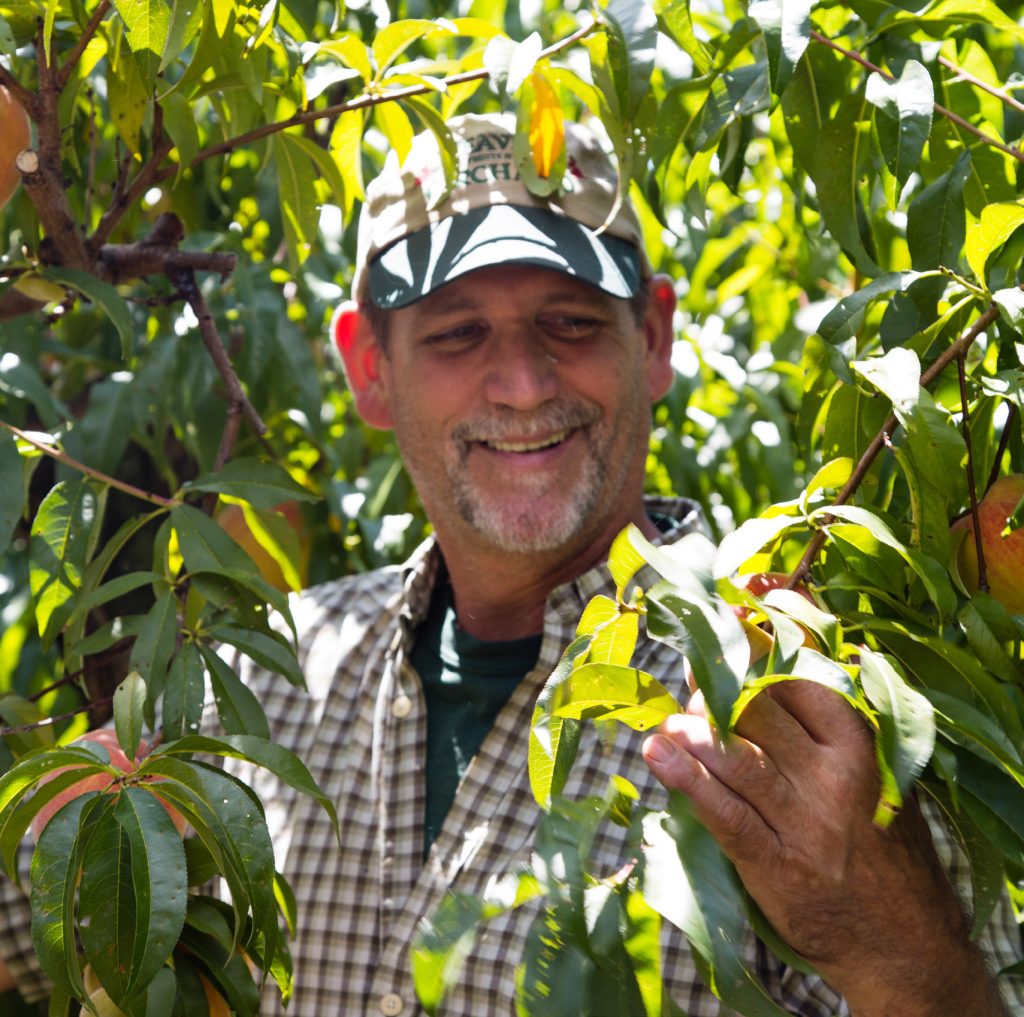
Weaver’s Orchard in Morgantown, Pennsylvania, operates year-round with a diverse range of farm products rooted in their homegrown orchard harvests. The star is their freshly pressed, preservative-free apple cider made on site from a blend of their own apples. You can often find their cider for sale at Charles Street Market. They also offer broad selection of fruits and vegetables like apples, berries, peaches, pears, and more when in season.
Product quality at Weaver’s reflects their farming philosophy of attentive crop care and long-standing orchard traditions that emphasize taste and community nourishment. They use integrated pest management to make informed decisions about disease control in a natural, health-forward manner.
You can find their products at Charles Street Market or featured in recipes at Hopkins Café, Nolan’s on 33rd, and Peabody.